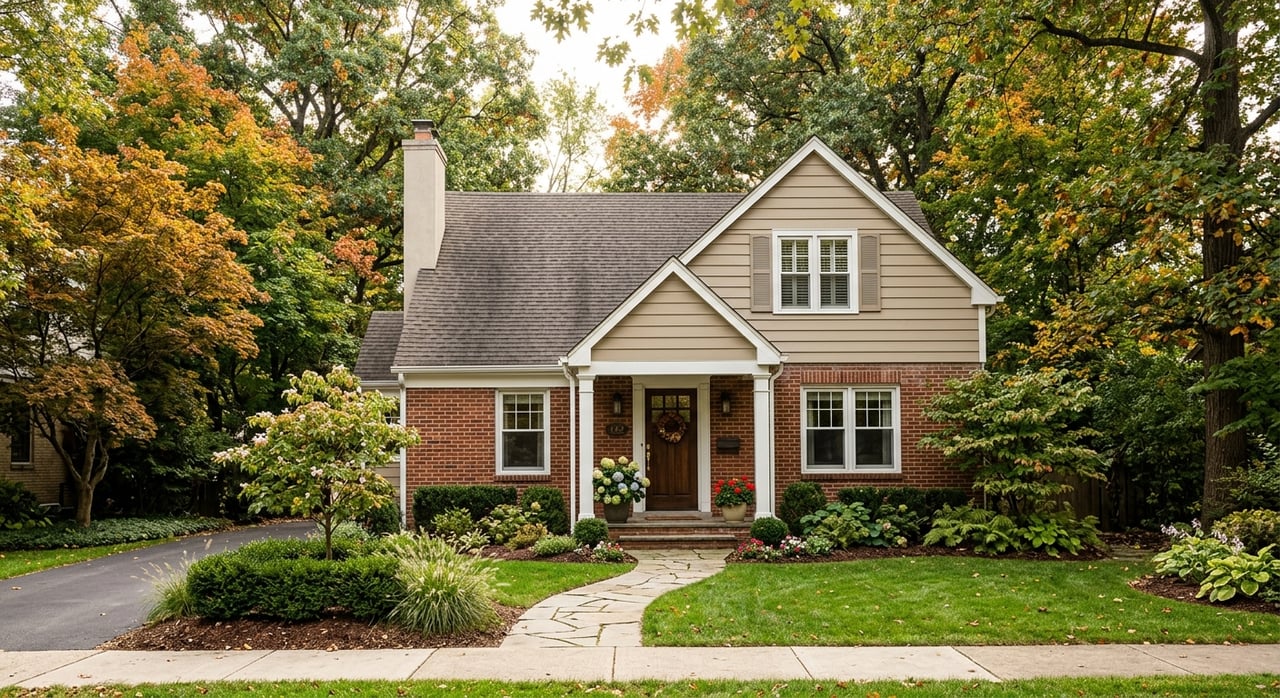
Wondering if Traverse Heights could be your path into homeownership in Traverse City? If you are buying your first home, this neighborhood offers an appealing mix of in-town access, established housing, and a lower median list price than Traverse City overall. The key is knowing that while Traverse Heights may look more attainable at first glance, it can also be tighter and more competitive than the citywide market. Let’s dive in.
Why Traverse Heights Stands Out
Traverse Heights is a neighborhood within the City of Traverse City, generally bounded by Boon Street, Garfield Avenue, 8th Street, and Franklin Street, with the eastern edge of Boardman Lake included in the area. For many first-time buyers, that location matters because it puts you close to daily essentials and popular local destinations without relying on a long commute across town.
This is also a neighborhood with strong everyday connectivity. The City of Traverse City completed nearly $8 million in sidewalk and Safe Routes work in 2021, with much of that effort focused on Traverse Heights because it had been identified as underserved for pedestrian connections. If walkability and easier day-to-day movement matter to you, that is a meaningful local advantage.
Traverse Heights Market Snapshot
As of May 2026, Realtor.com showed 15 homes for sale in Traverse Heights, with a median listing price of $325,000 and a median 58 days on market. By comparison, the broader Traverse City market had 601 homes for sale, a median listing price of $515,000, and a median 56 days on market.
That contrast is important. Traverse City overall was described as buyer-leaning, while Traverse Heights was labeled a seller’s market. In simple terms, you should think of Traverse Heights as a smaller, tighter pocket where good listings can draw strong interest even when citywide headlines sound more favorable for buyers.
What First-Time Buyers Should Know About Pricing
Traverse Heights may offer a lower total list price than many other parts of Traverse City, but that does not automatically make every home a bargain. The neighborhood’s median price per square foot was reported at $373, compared with $328 per square foot citywide.
That means your home search needs to stay practical and property-specific. Instead of assuming every listing is affordable because the median list price is lower, compare each home based on:
- Condition
- Square footage
- Lot size
- Garage or parking setup
- Renovation needs
- Monthly ownership costs
This is one reason first-time buyers benefit from a focused search plan. In a neighborhood with limited inventory, it helps to know which tradeoffs you are comfortable making before you start touring homes.
Housing Style and Inventory Mix
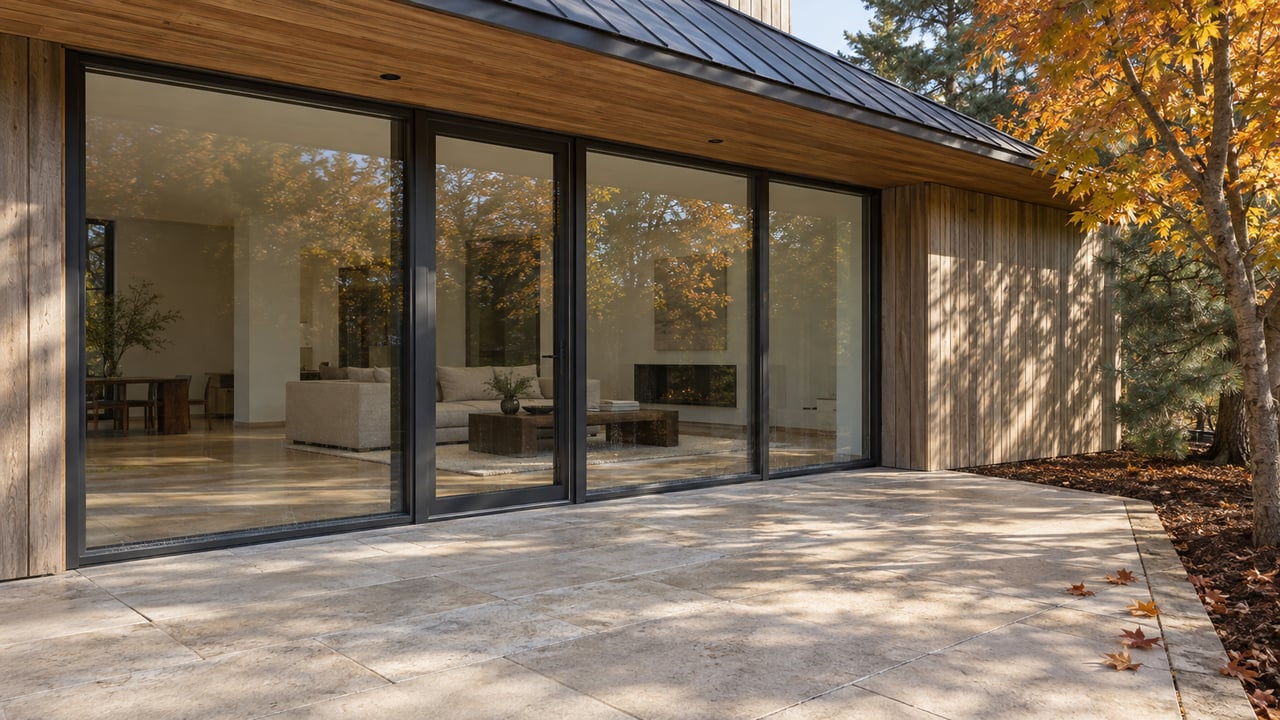
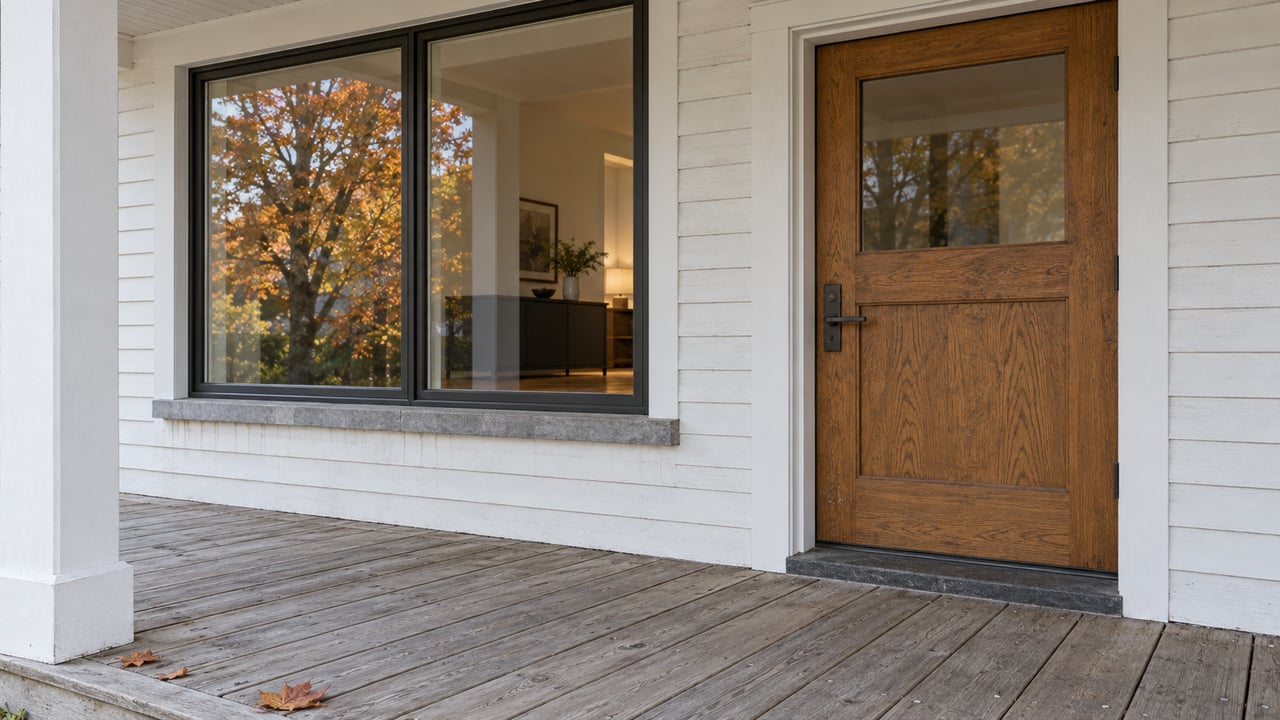
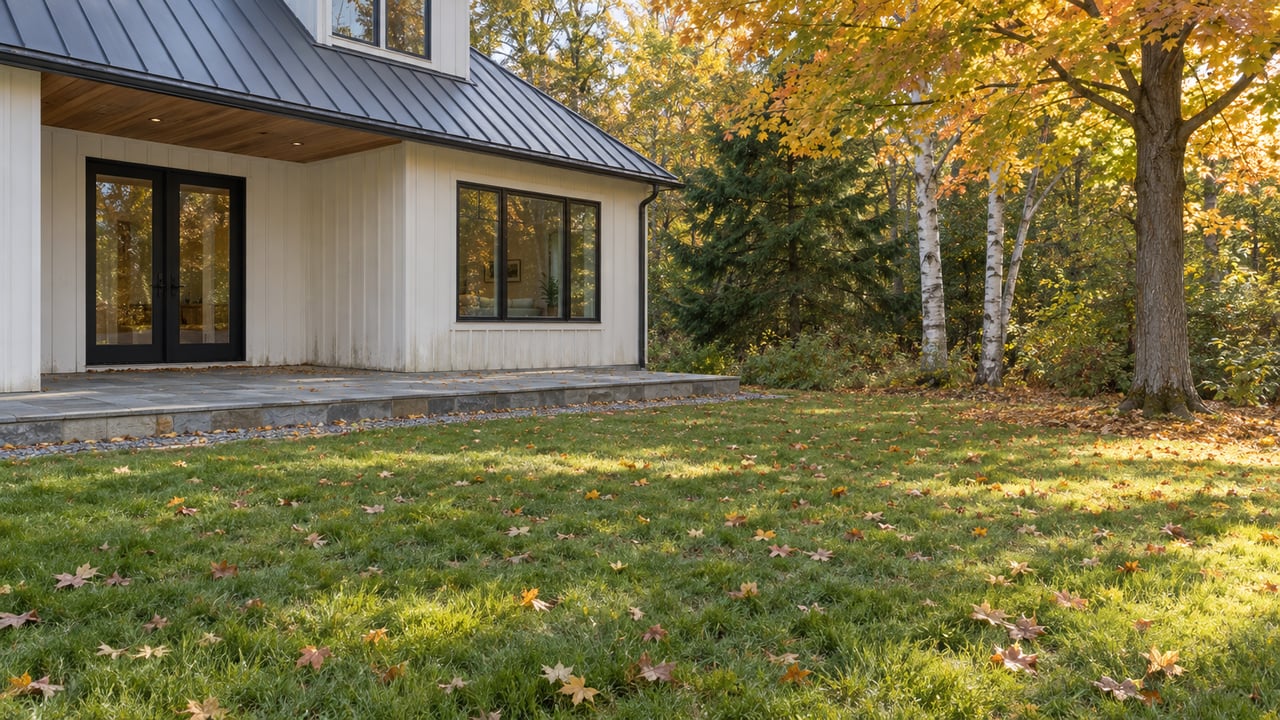
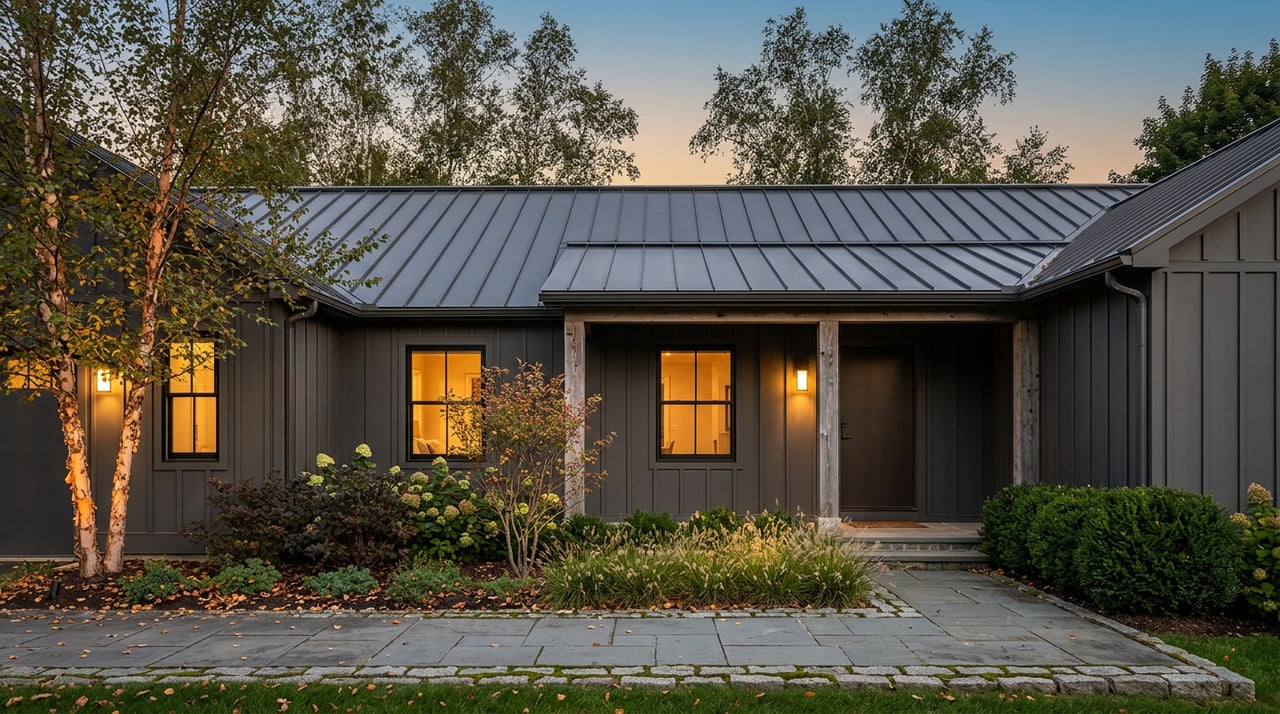
Traverse Heights is not a uniform new-build area. Current search results show a mix of single-family homes and townhomes, which gives first-time buyers a few different paths into the neighborhood.
That variety can be helpful if you are balancing price, maintenance, and space. A detached home may offer more privacy or yard area, while an attached option may open the door to an in-town location at a different price point. Because listings are limited, flexibility can make a real difference.
Daily Life in Traverse Heights
For many buyers, lifestyle is a big part of the decision. Traverse Heights offers convenient access to the 4-mile Boardman Lake Loop Trail, which wraps around Boardman Lake just south of downtown. The trail is fully ADA accessible and connects users to parks, residential areas, the library, and commercial spots such as Oryana, the Filling Station, and Right Brain Brewery.
The Traverse Area District Library’s Main Library at 610 Woodmere Avenue is also nearby and served by BATA Route 2 and Link On-Demand service. If public amenities and local services are part of your home search checklist, that kind of access adds value beyond the house itself.
Traverse Heights also has an active neighborhood association that meets three times a year. For buyers who want a neighborhood with established communication channels and local organization, that can be another useful piece of context.
Budgeting Beyond the Purchase Price
Your down payment is only part of the equation. Closing costs typically run about 2% to 5% of the purchase price, separate from the down payment, and you should also leave room in your budget for moving expenses, utility setup, and unexpected repairs.
In Traverse City, property is assessed at 50% of fair market value, and taxable value is used to calculate the tax bill. If the home will be your principal residence, Michigan’s Principal Residence Exemption can remove up to 18 mills of local school operating millage. For a first-time buyer, that is an important ownership-cost detail to understand early.
Utilities should also be part of your planning. Under the City of Traverse City’s rate schedule effective July 1, 2025, a standard in-city residential 5/8- or 3/4-inch meter is billed $16.80 for the first 600 cubic feet of water and $47.00 for the first 600 cubic feet of sewer, with additional usage billed by volume.
First-Time Buyer Loan Help in Michigan
Michigan offers state-backed programs that may help if you are buying your first home. MSHDA’s MI Home Loan is available statewide to first-time buyers, requires a minimum 640 credit score, includes income limits, and after June 1, 2026 has a statewide sales price limit of $566,355.
MSHDA also offers MI 10K down payment assistance of up to $10,000, along with a housing education class requirement. For some buyers, that assistance can make the difference between continuing to rent and moving forward with a purchase.
There is also a First-Generation Down Payment Assistance program that can provide up to $25,000, but it comes with stricter requirements. It must be paired with a MI Home Loan, requires face-to-face education, applies only to a primary residence, and has income and credit requirements. It also has a target property price cap of $224,500, which means it likely will not fit many Traverse Heights listings given the neighborhood’s $325,000 median listing price.
How to Compete in Traverse Heights
Because inventory is limited and the neighborhood is more competitive than Traverse City overall, preparation matters. Homes in Traverse Heights were reported as selling around asking on average, which is another sign that strong listings can move with less room for hesitation.
A smart first step is getting preapproved before you begin serious shopping. That helps you understand your budget clearly and puts you in a stronger position when the right home hits the market.
It also helps to keep your search filters tight. Focus on the features that matter most to you, such as location within the neighborhood, condition, number of bedrooms, parking, and whether you are willing to take on updates.
Loan Shopping Still Matters
Even in a competitive neighborhood, you do not want to rush the financing side. Comparing at least three loan offers can help you evaluate:
- Loan term
- Rate structure
- Down payment requirement
- Monthly payment
- Whether taxes and insurance are included in escrow
Those details affect your monthly budget just as much as the sale price. A lower rate, better loan fit, or more manageable cash-to-close amount can shape what you can comfortably buy.
Due Diligence Before You Offer
Before making an offer, it is worth looking beyond the listing photos and headline price. The City of Traverse City maintains public map tools, including a tax parcel viewer and zoning map, which can help you better understand parcel context and land-use details.
This step can be especially useful in an established in-town neighborhood where lot shape, access, parking, and surrounding uses may vary from one property to the next. First-time buyers often feel pressure to move fast, but informed decisions are usually stronger decisions.
Closing Preparation for First-Time Buyers
Once you are under contract, stay organized and review each document carefully. Compare your Loan Estimate with your Closing Disclosure so you can spot changes in costs, cash needed at closing, or monthly payment details.
You should also review the home carefully before closing. This is your chance to confirm the property’s condition and make sure agreed-upon items have been addressed before ownership transfers.
Is Traverse Heights a Good Fit?
If you want an in-town Traverse City location with access to trails, sidewalks, library services, and an established neighborhood feel, Traverse Heights deserves a close look. It offers a lower median list price than Traverse City overall, but it is not a market where you can rely on broad city averages or assume every home will be an easy first purchase.
The buyers who tend to do best here are the ones who plan ahead, understand their full budget, and stay ready to act when the right home appears. With the right strategy, Traverse Heights can be a practical and appealing place to start your homeownership journey.
If you are ready to explore Traverse Heights with a local team that understands Northern Michigan block by block, connect with The Mitten Group for thoughtful guidance and a confident start to your home search.
FAQs
What is the current home price range context for first-time buyers in Traverse Heights?
- Traverse Heights had a median listing price of $325,000 in May 2026, which was lower than Traverse City’s overall median listing price of $515,000.
How competitive is the Traverse Heights housing market compared with Traverse City overall?
- Traverse Heights was labeled a seller’s market, while the broader Traverse City market was described as buyer-leaning, so buyers should expect tighter competition in the neighborhood.
What kinds of homes can first-time buyers find in Traverse Heights?
- Current listings show a mix of single-family homes and townhomes, giving buyers a range of established in-town housing options.
What neighborhood features make Traverse Heights appealing for daily life?
- Buyers may value access to the Boardman Lake Loop Trail, city sidewalk improvements, the Main Library, BATA service, and an active neighborhood association.
What first-time buyer assistance programs may help with a Traverse Heights purchase?
- MSHDA’s MI Home Loan and MI 10K down payment assistance may help qualified buyers, while the First-Generation Down Payment Assistance program may be less likely to fit many Traverse Heights listings because of its $224,500 property price cap.