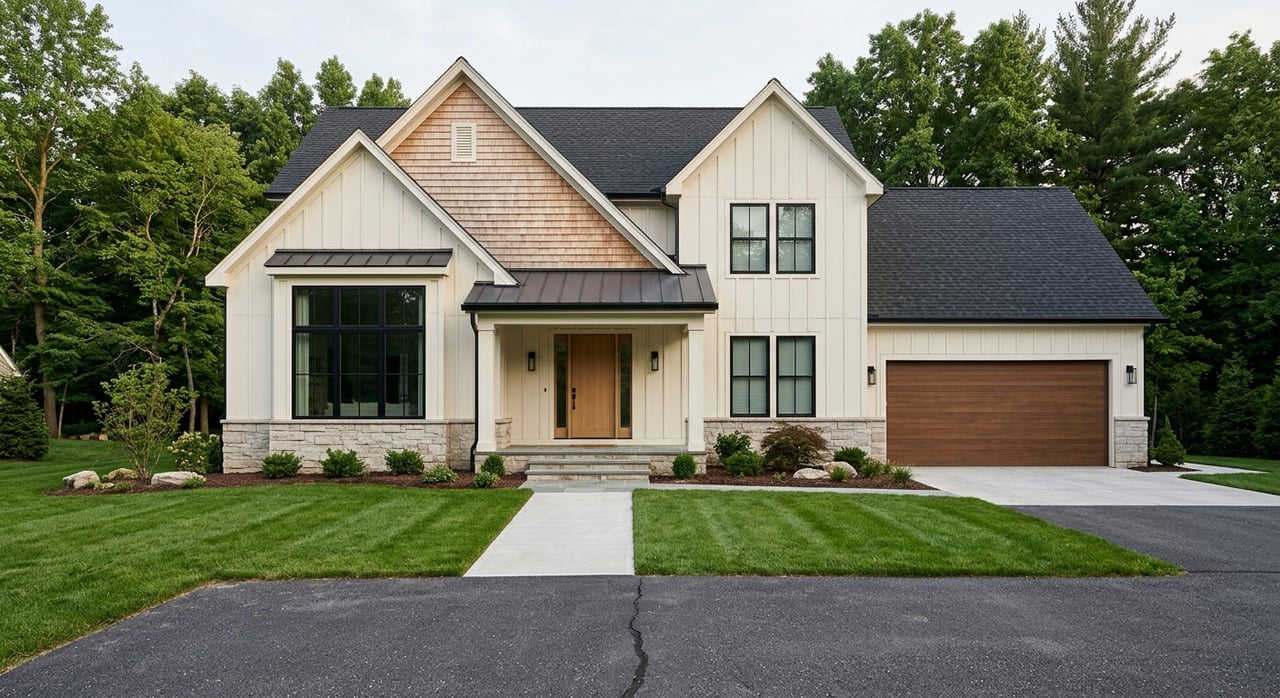
If you are trying to decide whether to build or buy in Lone Tree, you are not alone. In a market where newer homes can be hard to find in the right location, this west-side Traverse City area stands out for its mix of new construction and resale options. The good news is that both paths can work well here, depending on your timeline, budget, and how much customization you want. Let’s dive in.
Why Lone Tree Gets Attention
Lone Tree is generally understood as a newer west-side Traverse City area in Garfield Township. Recent listings point to a close-in location near downtown Traverse City, Munson Hospital, medical offices, golf courses, and other everyday conveniences.
That location gives Lone Tree a very different feel from older in-town neighborhoods. Instead of historic housing stock, the draw here is newer construction, planned subdivision living, and practical access to west-side destinations.
What Homes in Lone Tree Look Like
Current and recent listings show a mix of brand-new homes and existing resale properties. One recent example is a 2026-built, 4-bedroom, 3-bath, 2,739-square-foot one-story home listed at $775,000 with a $63 monthly HOA fee, municipal water and sewer, natural gas, and an attached garage.
Another example is a 2012-built resale ranch with 4 bedrooms, 3 baths, and 2,268 square feet listed at $700,000. That home is also described as being minutes from schools, medical offices, downtown, and golf courses.
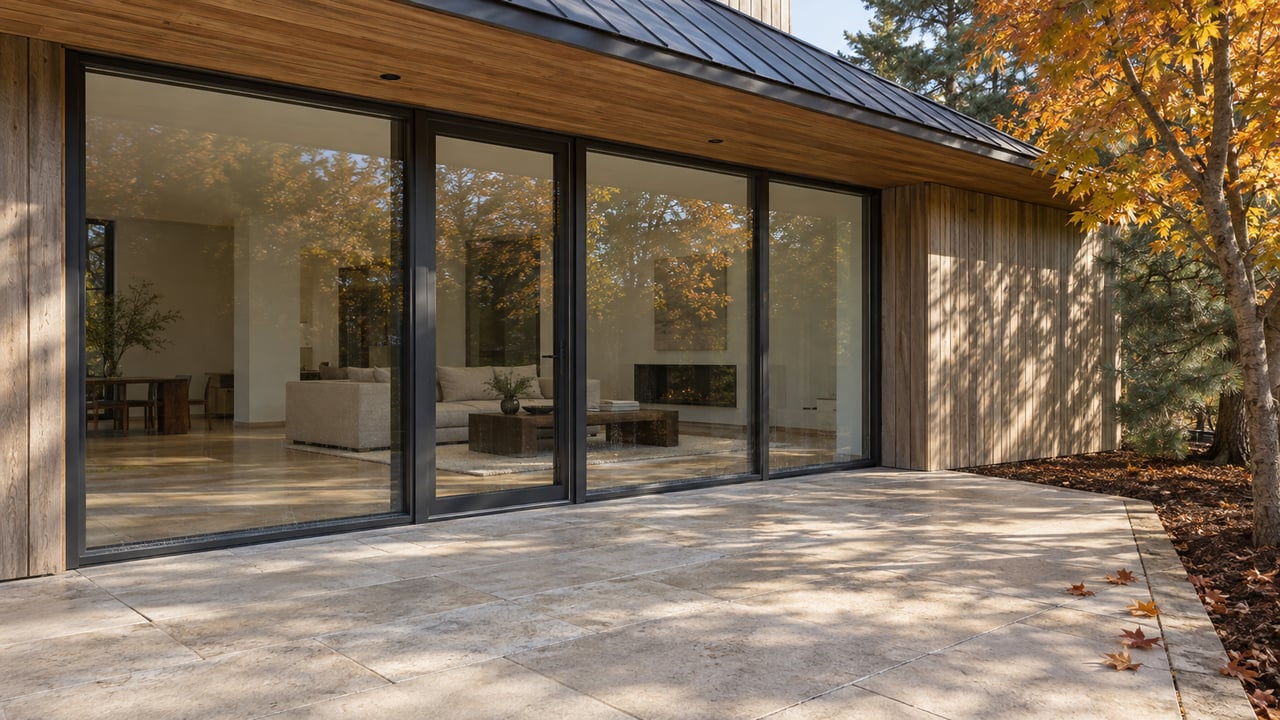
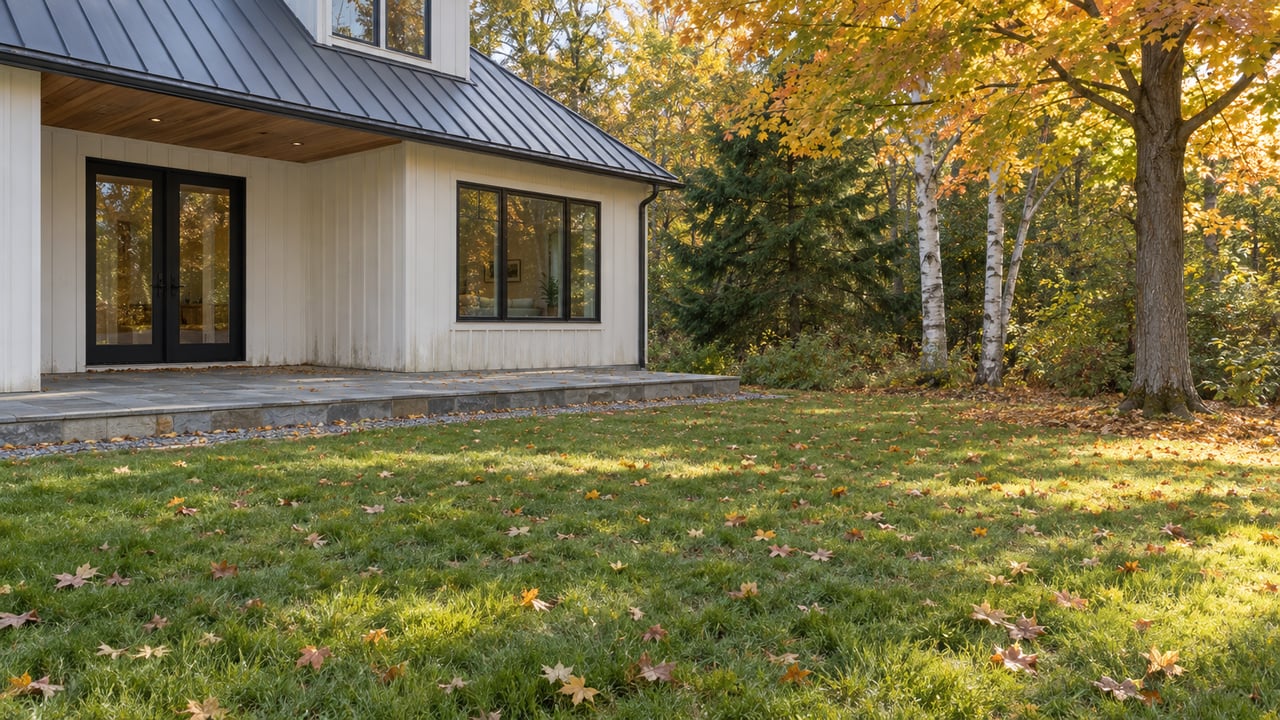
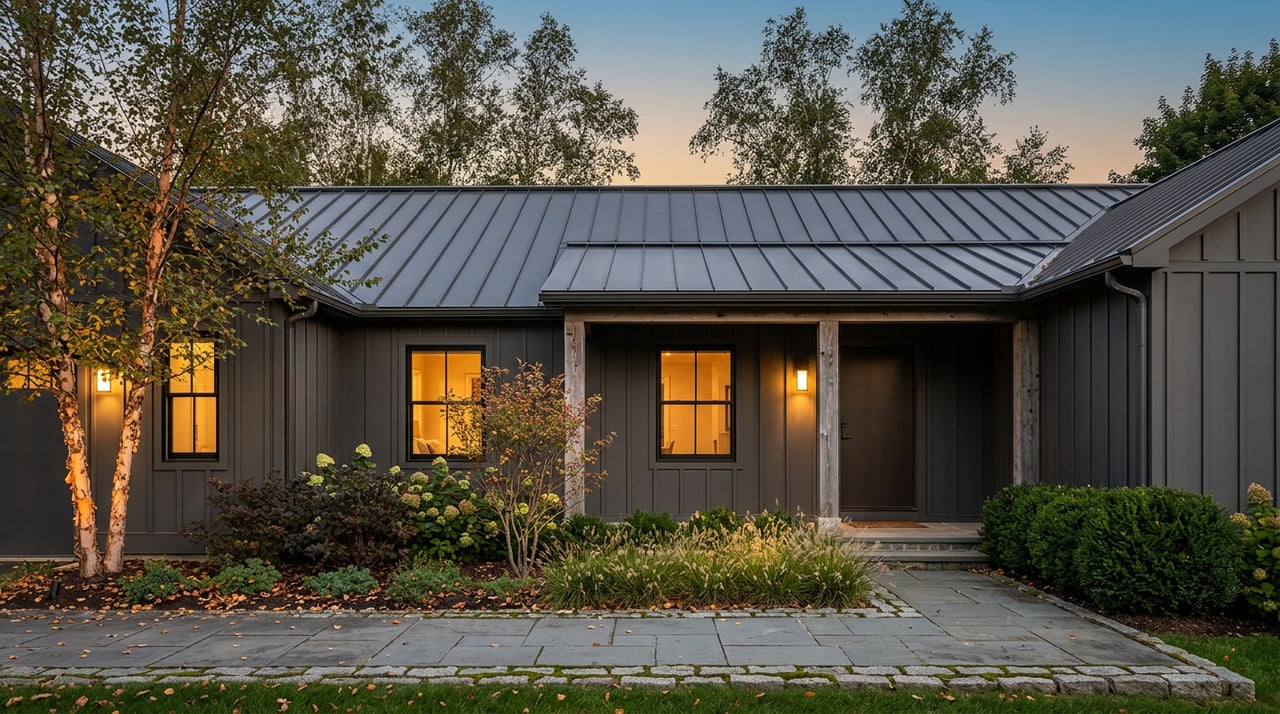
From those examples, Lone Tree appears to lean toward ranch or single-story layouts, open-concept living, attached garages, main-floor primary suites, and lower levels that may be finished or partially finished. Some properties are organized as site condominiums, which means dues, rules, and common-area responsibilities may vary from one home to the next.
Building in Lone Tree: What to Expect
If you want a home that feels tailored to your needs, building may be the more appealing option. In Lone Tree, that can mean choosing a lot and starting from the ground up, or purchasing a spec home that is already underway.
Building in Garfield Township involves a multi-step approval process. The township’s residential packet calls for plan sets, land-use information, utility or well and septic details depending on service, soil and erosion documentation, and energy-code information.
The township also points applicants to county-level contacts for electrical, mechanical, plumbing, driveway, fire, and health-related permits. The building department screens applications, reviews plans, and inspects the work for code compliance.
Michigan also requires one- and two-family dwellings to follow the Michigan Residential Code. The state notes that residential builders must be licensed, and permit applications can be handled online, while mailed submissions may take longer.
How Long a New Build May Take
A local Traverse City builder describes a process that starts with preliminary plans, revisions, final drawings, permit submission, and then construction phases like excavation, framing, systems installation, drywall, finishes, and final occupancy. In favorable conditions, that full process may take about 10 to 11 months.
That does not mean every build will follow the exact same schedule. HOA requirements, easements, permit timing, and the stage of construction can all affect the final timeline.
If timing matters, it helps to understand whether you are considering a true custom build, a semi-custom home, or a nearly completed spec home. Those are very different experiences, even if they are all technically “new construction.”
Buying in Lone Tree: Why It May Be Simpler
If you want more certainty, buying an existing home or a completed new-construction home may be the easier route. You can usually evaluate the layout, finishes, lot, and condition more directly, and you may have a clearer closing timeline.
That can be especially helpful if you need to coordinate a move, sell another property, or settle into Traverse City on a set schedule. In those situations, the convenience of buying what already exists can outweigh the appeal of making every design choice yourself.
A resale home may also come with established landscaping, window treatments, finished lower levels, or other completed features that would add time and cost to a new build. In Lone Tree, that can make a well-kept resale a strong option.
Build vs Buy in Lone Tree
The choice often comes down to three things: timing, customization, and tolerance for complexity. Here is a simple comparison.
| Factor | Building in Lone Tree | Buying in Lone Tree |
|---|---|---|
| Timeline | Often around 10 to 11 months in favorable conditions | Usually more predictable once under contract |
| Customization | Higher, depending on build stage and builder options | Limited to the home as it exists |
| Process | More moving parts, permits, reviews, and coordination | Simpler path for many buyers |
| Closing certainty | Can shift due to construction or approvals | Often easier to estimate |
| Upfront decisions | Many choices on plans, finishes, and allowances | Fewer decisions before closing |
Neither path is automatically better. The better fit depends on how you want to live and how much flexibility you have during the process.
Questions to Ask Before You Build
If you are leaning toward a new build or spec home in Lone Tree, ask detailed questions early. That helps you compare options clearly and avoid surprises later.
Important questions include:
- What is included in the base price?
- Which finishes are standard, and which are upgrades?
- What stage is the home in right now?
- What could still delay the closing date?
- What HOA or site-condo documents apply?
- What utilities are already in place?
- What warranty coverage comes with the home?
Newly built homes often include a builder warranty. It is also important to understand how that warranty works and whether dispute resolution terms, such as mediation or arbitration, are part of the agreement.
Questions to Ask Before You Buy a Resale
If you are considering an existing home in Lone Tree, your focus shifts from selections and timelines to condition and maintenance. You want to know how the home has been cared for and what larger expenses may be ahead.
Ask about:
- Roof age
- HVAC age
- Water heater age
- Basement moisture or drainage history
- Recent structural work
- Recent plumbing, electrical, or mechanical updates
- Any HOA or association dues and rules
These questions can help you compare resale options on more than just price and square footage. A home that looks similar on paper may come with a very different maintenance picture.
How Lone Tree Compares to In-Town Areas
If you are torn between Lone Tree and an older Traverse City neighborhood, it helps to think about lifestyle fit. City materials show that residents in older in-town areas often value tree-lined streets, walkability, bikeability, historic buildings, parks and green space, lower density, and access to water and beaches.
Lone Tree offers a different kind of appeal. The attraction is less about historic character and more about newer homes, a more planned setting, and easy access to west-side amenities.
That distinction matters because your decision is not just about the house. It is also about the kind of daily routine and neighborhood feel you want.
When Building Makes More Sense
Building may be the better fit if you:
- Want a newer floor plan with modern systems
- Care a lot about choosing finishes or layout details
- Have flexibility on move-in timing
- Are comfortable with permit steps and builder coordination
- Want to maximize the benefits of new construction in a planned subdivision setting
For some buyers, that extra effort is worth it. You may end up with a home that fits your preferences more closely from day one.
When Buying Makes More Sense
Buying may be the better fit if you:
- Need a more reliable timeline
- Prefer to see the actual home before committing
- Want to avoid construction decisions and delays
- Need to coordinate a sale and purchase more tightly
- Would value mature landscaping or completed interior features
In Lone Tree, this can be an especially practical option when a quality resale or completed spec home becomes available. It may offer the newer-home feel without the longer runway.
A Smart Way to Decide
If you are serious about Lone Tree, the best next step is to compare one build opportunity and one resale opportunity side by side. Look at total cost, monthly dues if any, expected completion or closing date, included features, and how each option supports your day-to-day life.
That kind of apples-to-apples comparison often makes the answer clearer. What seems like a design decision at first is usually a timing and lifestyle decision too.
In a neighborhood like Lone Tree, you do not have to force one approach. You just need the option that best matches your goals now and your plans for the years ahead.
If you want help comparing homes, new construction opportunities, or site-condo options in Lone Tree and across Traverse City, connect with The Mitten Group. Their local market insight and development experience can help you move forward with clarity.
FAQs
Should you build or buy in Lone Tree Traverse City if you need to move quickly?
- Buying an existing home or a completed new-construction home is usually the better fit if you need a more predictable timeline.
What types of homes are common in Lone Tree Traverse City?
- Recent listings suggest Lone Tree includes newer ranch or single-story homes with open layouts, attached garages, main-floor primary suites, and lower levels that may be finished or partially finished.
What utilities are available in some Lone Tree Traverse City homes?
- Current listing examples show practical infrastructure such as municipal water and sewer and natural gas service in some properties.
What should you ask about a new build in Lone Tree Traverse City?
- Ask what is included in the base price, what upgrades cost extra, what stage construction is in, what could delay closing, what association documents apply, what utilities are in place, and what warranty coverage comes with the home.
Are some Lone Tree Traverse City properties site condominiums?
- Yes. Recent listing information indicates that some homes in Lone Tree are structured as site condominiums, so rules, dues, and common-area responsibilities can vary by property.
How is Lone Tree different from older Traverse City neighborhoods?
- Lone Tree is generally associated with newer construction and a planned-subdivision feel, while older in-town Traverse City neighborhoods are more closely tied to historic character, walkability, parks, and access to water and beaches.