If you are looking at investment property near Kids Creek Commons in Traverse City, you need more than a quick glance at listing photos and projected rent. This part of the city can offer strong appeal because of its central location, older housing stock, and access to trails, parks, and nearby commercial hubs. At the same time, the details matter here, especially zoning, rental rules, and creek-related site constraints. This guide will help you understand what to look for so you can evaluate opportunities with more confidence. Let’s dive in.
Why Kids Creek Commons Stands Out
Kids Creek Commons is not just a casual label. It is a city-recognized neighborhood association in Traverse City, and city planning materials treat the area as an established neighborhood. That matters because it gives you a clearer planning context when you start comparing properties and future use potential.
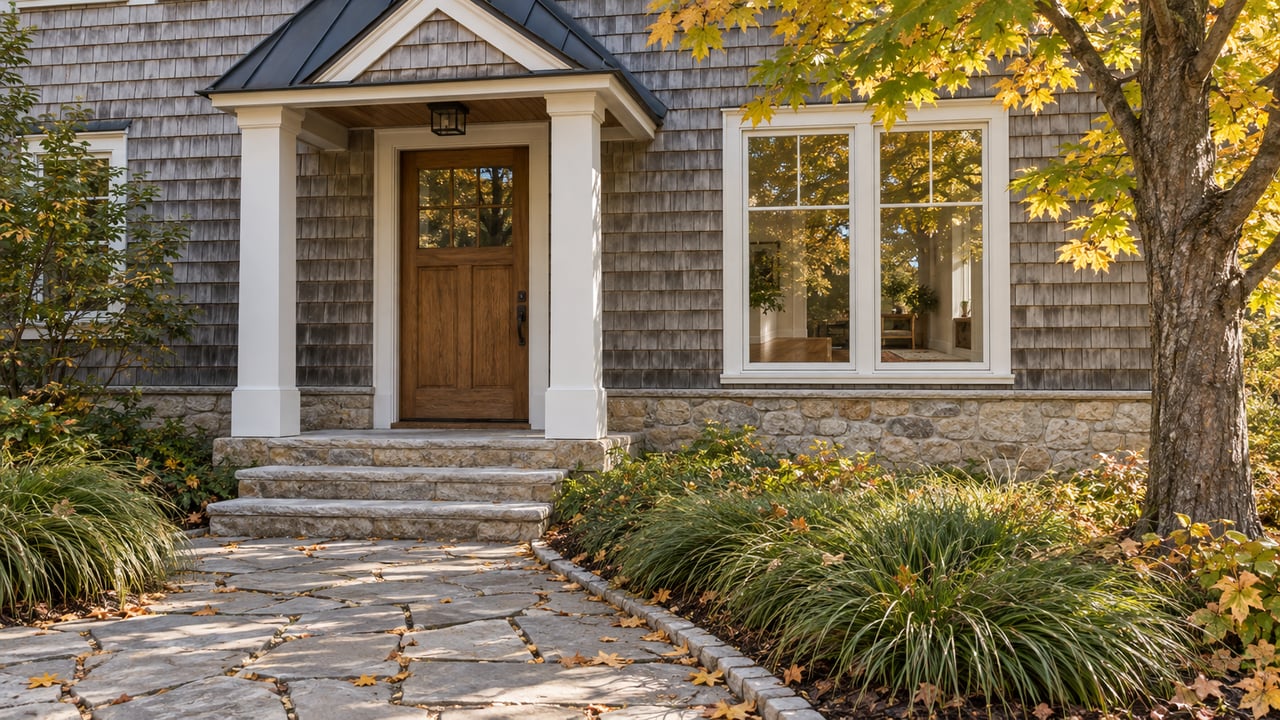
The city’s 2023 neighborhood analysis describes the surrounding area as one of Traverse City’s older neighborhoods. Housing is mostly made up of smaller one- to two-story single-family homes, with several multifamily developments mixed in. For an investor, that usually means a wider range of property types and a neighborhood pattern that can support different strategies.
Location Appeal Near Traverse City Amenities
One of the biggest draws of investing near Kids Creek Commons is access. Traverse City highlights its bike-friendly streets and multi-use paths, including the TART Trail and Boardman Lake Loop, which connect neighborhoods with downtown, parks, and other daily destinations. In 2026, Traverse City also received a silver-level Bicycle Friendly Community designation, which supports the area’s overall livability.
That kind of connectivity can matter whether you plan to rent, renovate, or hold long term. Buyers and renters often value neighborhoods where they can easily reach recreation, commercial areas, and everyday services. In a city market, convenience can support demand across more than one buyer pool.
Grand Traverse Commons Is Nearby, Not the Same
This is an important distinction for investors. Grand Traverse Commons is a nearby amenity and submarket, but it is separate from Kids Creek Commons. The city describes Grand Traverse Commons as a 140-acre natural area with 50 miles of trail, while The Village at Grand Traverse Commons includes retail, office, and residential uses.
That nearby amenity base can add to the appeal of properties near Kids Creek Commons. Shops, restaurants, trail access, and recreation help support both owner-occupant demand and renter interest. Still, if a property is near or within the Grand Traverse Commons district, you need to verify whether it follows standard city zoning or a separate Commons-specific planning process.
Housing Mix and Market Fundamentals
Traverse City is a smaller city within a much larger county, and that shapes investment decisions. As of July 1, 2025, Census QuickFacts lists Traverse City with 15,832 residents, a 63.7% owner-occupied housing rate, and a median owner-occupied home value of $415,400. Grand Traverse County had 96,729 residents, a 77.2% owner-occupied rate, and a median owner-occupied home value of $339,400.
For investors, those numbers suggest two useful things. First, the city has a larger renter share than the county overall, which can support demand for well-located rental housing. Second, the city’s higher median home value points to a pricier entry point, so your numbers need to work with care from the start.
Why Zoning Matters So Much Here
Traverse City planning materials describe the city as largely built out. That means future change is more likely to happen through infill and smaller redevelopment projects instead of major greenfield expansion. In a neighborhood with older lots and older housing, that can create opportunity, but only if you understand the rules attached to a specific parcel.
This matters even more because the city commission’s 2025 R-2 amendment allows up to four dwelling units per lot, while keeping the existing limit of two structures for residential uses. The Kids Creek area was identified as primarily R-2 mixed-density residential, with some R-3 blocks near Elmwood Avenue that allow multifamily homes. If you are evaluating an older home, a corner lot, or a redevelopment play, these details can materially affect the property’s long-term potential.
Creek Proximity Can Add Value and Complexity
Kids Creek is part of the area’s identity and value story. The city says it invested nearly $2.75 million in restoration work to improve stream function and fish habitat at several crossings, including Cedar Street, Sixth Street, the old railroad grade between Division and Silver, and Elmwood Avenue. Public investment like that can strengthen the appeal of nearby property over time.
Still, creek-adjacent real estate often comes with more design and review considerations. The city’s riparian-buffer work has focused on buffer standards, shoreline protection, stormwater, grading, and tree protection. If a parcel touches or sits near the creek, you should treat site planning and improvement costs as a serious part of underwriting.
Short-Term Rental Rules Need Verification
If your strategy includes short-term rental income, do not assume every property will qualify. Traverse City requires a Vacation Home Rental license for owners who want to operate that use, and the city states that the fee is $200. Licenses expire on December 31, with renewal handled 90 to 30 days before expiration.
The city also distinguishes between Vacation Home Rental licenses and Tourist Home Rental uses. According to the city’s public explanation, Vacation Home Rental licenses are tied to non-residential districts, while Tourist Home Rentals are tied to residential districts and require the homeowner to be present when renting a room. That distinction can change the viability of a deal right away.
It is also worth noting that the rules are still evolving. The city’s planning materials indicate short-term rental ordinance refinements were accomplished and waiting for City Commission action, and discussions were expected to continue in 2026. For that reason, current rental legality should be verified during due diligence rather than assumed based on older listings or local word of mouth.
Neighborhood Character Is Part of the Equation
Investment analysis here is not only about numbers. In 2023 neighborhood listening sessions, residents expressed strong preferences for preserving trees, walkability, parks and green space, and limiting short-term rentals. That does not mean investment is discouraged, but it does mean neighborhood character is an active policy issue.
For buyers thinking long term, this can cut both ways. On one hand, community interest in walkability and green space can help preserve appeal. On the other, projects that depend on aggressive use assumptions may face more scrutiny, especially if they affect parking, tree cover, or neighborhood feel.
Best Due Diligence Questions to Ask
Before you move forward on a property near Kids Creek Commons, focus on the items that most often affect value and use:
- What zoning district applies to the parcel?
- Is the property subject to any overlay or district-specific review?
- Is the parcel eligible for a Vacation Home Rental use, or only a Tourist Home Rental setup?
- Are there HOA, condo, or PUD rules that limit rental length, guest parking, pets, or exterior changes?
- Does creek frontage or a riparian buffer affect site design or future improvements?
- Are any nearby mobility or capital improvement projects likely to affect access, noise, or construction timing?
- If the parcel is near Grand Traverse Commons, does a separate planning process apply?
These questions can matter just as much as the asking price. In a market like Traverse City, a property’s legal use and development path are often a big part of the investment story.
Local Tools That Can Help You Evaluate a Deal
Traverse City offers several practical resources for property research. The city’s maps page includes access to the Tax Parcel Viewer, Zoning Map, Vacation Home Rentals map, Tourist Home Rentals map, and Parking Map. Those tools can help you confirm whether a property aligns with your intended use before you get too far into the process.
The Planning and Zoning Department also offers a free pre-application development meeting. The city asks for the parcel location, a project narrative, and a conceptual sketch plan. If you are considering a rental conversion, infill build, or small redevelopment opportunity, that kind of early clarity can save you time and reduce surprises.
What a Smart Investment Strategy Looks Like
A strong investment approach near Kids Creek Commons usually starts with flexibility. Because the neighborhood includes older homes, mixed-density zoning, and access to strong amenities, some of the best opportunities may come from properties that can appeal to both end users and renters. That can give you more exit options if the market shifts.
It also helps to think beyond simple rent projections. In this area, land use rules, district boundaries, and creek-related constraints can directly shape return potential. A property that looks average on paper may have upside through infill or redevelopment, while one that looks attractive at first glance may carry use restrictions that narrow your options.
Why This Area Draws Long-Term Interest
Kids Creek Commons reads as a central, amenity-rich Traverse City neighborhood with a meaningful rental base and broad appeal. Its older housing stock, access to trails and recreation, and proximity to downtown and Grand Traverse Commons create a mix that can attract both local buyers and tenants. In a city that is largely built out, neighborhoods like this often stay on the radar because there are fewer chances to create new supply at scale.
That is why parcel-level research matters so much. Near Kids Creek Commons, the difference between a good investment and a frustrating one often comes down to zoning, rental legality, and property-specific constraints. If you evaluate those factors carefully, you can make a more informed move in one of Traverse City’s most interesting in-town areas.
If you are exploring investment property in Traverse City and want help sorting through neighborhood fit, zoning questions, and opportunity potential, connect with The Mitten Group. Their local insight across Traverse City and Grand Traverse County can help you evaluate your next move with clarity.
FAQs
What is Kids Creek Commons in Traverse City?
- Kids Creek Commons is a city-recognized neighborhood association area in Traverse City, and city planning materials describe the surrounding neighborhood as an older area with mostly smaller single-family homes and some multifamily development.
Is Grand Traverse Commons the same as Kids Creek Commons?
- No. Grand Traverse Commons is a separate nearby district and submarket with its own planning framework, so buyers should verify whether a parcel falls under standard city zoning or Commons-specific review.
Are properties near Kids Creek Commons good for rentals?
- They can be, because Traverse City has a larger renter share than Grand Traverse County overall and the area offers central access to trails, parks, and nearby amenities, but rental viability depends on the exact property and local rules.
Can you use a Kids Creek Commons property as a short-term rental?
- That depends on the parcel and current city rules. Traverse City distinguishes between Vacation Home Rental and Tourist Home Rental uses, and short-term rental regulations have been under active review.
Why is zoning important near Kids Creek Commons?
- Zoning is important because the area includes mixed-density residential patterns, and the city’s 2025 R-2 amendment allowing up to four dwelling units per lot may affect redevelopment and land-value potential.
What should you check before buying near Kids Creek Commons?
- You should verify zoning, any applicable overlays or district review, short-term rental eligibility, HOA or condo restrictions, creek or buffer impacts, and any nearby public projects that could affect the property.