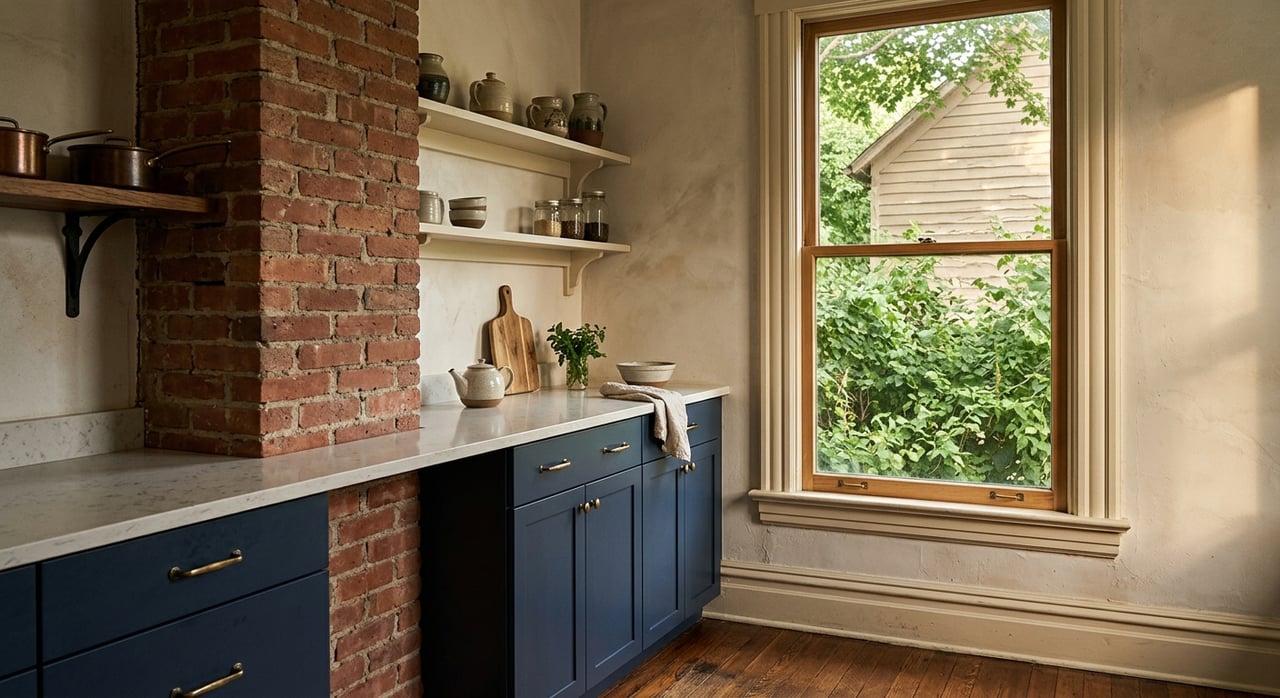
If you love the idea of a home with real character, Central Traverse City deserves a closer look. This historic neighborhood offers more than beautiful older houses. It gives you a lifestyle shaped by walkability, river access, downtown convenience, and a strong sense of place. If you are wondering what it is actually like to live in and buy in Central, this guide will help you understand the homes, the setting, and the ownership details that matter most. Let’s dive in.
Why Central Stands Out
Central is one of Traverse City’s three designated historic districts. It is also listed on the National Register, with architectural significance tied to styles including Italianate, while city materials highlight the area’s strong Queen Anne and Victorian character.
That historic identity is not limited to one block or one landmark. City materials point to Sixth Street and the Hannah House as standout examples, with late Victorian homes and detailed woodwork extending into nearby streets. The result is a neighborhood that feels visually distinct and closely tied to Traverse City’s early development.
Historic Homes in Central
One of the biggest draws in Central is the age and character of the housing stock. The Boardman River Plan describes the area as home to some of the oldest residences in Traverse City and notes that it has retained much of its Victorian-era character.
If you are drawn to older homes, Central offers the kind of architectural detail that is hard to recreate in newer construction. You may notice ornate trim, period woodwork, and the kind of exterior presence that gives each home its own personality.
Perry Hannah is a major part of the neighborhood story. His 1891 Hannah House at Sixth and Pine is identified by the city as a standout Queen Anne residence, and the broader Sixth Street area remains one of the clearest expressions of Central’s historic character.
A Neighborhood Shaped by History
Central’s story is closely connected to the growth of Traverse City itself. The district’s significance is tied not only to architecture, but also to commerce and politics and government, which helps explain why the neighborhood still feels like a meaningful part of the city’s historic core.
That legacy shows up in public spaces too. Hannah Park includes Perry Hannah Plaza, which honors his role in helping bring electricity and rail service to the region, along with his work as founder of Hannah & Lay and the Traverse City State Bank.
For buyers who want a home with a sense of continuity, that history can be a major part of the appeal. You are not just buying square footage. You are buying into a neighborhood with deep local roots and a clearly defined identity.
What Daily Life Feels Like
Central offers a lifestyle that blends historic setting with practical convenience. In the city’s master-plan survey, residents said they most wanted to preserve the historic residential neighborhood, traditional street lighting, brick streets, parks, trails, tree canopy, walkability and bikeability, proximity to amenities, and relationships with neighbors.
Those preferences tell you a lot about how people experience the area. Central is not simply admired for its architecture. It is valued for the everyday rhythm of being able to move around easily, enjoy established streetscapes, and stay connected to both nature and downtown activity.
The neighborhood’s walkability and bikeability scores reinforce that point. The city’s indicator table lists Central with a Walk Score of 88 and a Bike Score of 95, which helps explain why so many buyers are drawn to the area’s convenience and connected feel.
Boardman River and Park Access
Central’s setting along the Boardman River adds another layer to its appeal. The neighborhood overlooks the river, and Hannah Park sits right in the historic Central Neighborhood on the banks of the Boardman.
Hannah Park covers 4.12 acres and includes fishing access, hiking, picnic tables, parking, and the Perry Hannah Plaza at Union and Sixth. For residents, that means outdoor space is not an afterthought. It is part of the neighborhood experience.
If your ideal lifestyle includes morning walks, time outside, or easy access to green space close to home, Central checks an important box. The combination of mature neighborhood character and riverfront park access is a big part of what makes the area feel so livable.
Close to Downtown Traverse City
Another reason Central stands out is how closely it connects to downtown Traverse City. Downtown is positioned as a regional hub for culture, education, and business, with dining, shopping, the City Opera House, the Traverse City Film Festival, live theatre, and river and bay recreation.
For someone living in Central, that nearby amenity base can shape daily life in a meaningful way. You may be looking for a neighborhood that feels established and residential, while still keeping restaurants, shopping, events, and waterfront activity within easy reach.
That mix is a big part of Central’s appeal. It offers historic residential character without feeling cut off from the energy of the city.
What Buyers Should Know About Renovations
Buying a historic home often means balancing charm with planning. Because Central is a designated historic district, certain exterior work is subject to Historic Districts Commission review under city code.
According to the city’s planning FAQ and ordinance, commission review applies to work in a historic district that includes new construction, moving or demolition, and alteration or repair affecting exterior appearance when a permit is required. For buildings or structures over 200 square feet in gross floor area in a historic district, the permit application must be accompanied by a historic preservation permit.
The ordinance also states that no permit is issued until the commission has acted. If the commission does not act within 60 calendar days after a complete application is filed, approval is deemed granted unless the applicant and commission agree in writing to extend that period.
This does not mean buying in Central is difficult. It does mean you should go in with a clear understanding of how future exterior changes may be reviewed.
Why Planning Ahead Matters
If you are thinking about changing exterior features, building an addition, or pursuing demolition, advance planning is important. The city ordinance states that if work is done without a permit and the commission finds it does not qualify, the city can require restoration or modification, and violations can be fined up to $5,000.
For many buyers, the best approach is simple. Understand the review process early, ask questions before making plans, and give yourself enough lead time if you expect to make visible exterior changes.
Older homes also call for thoughtful due diligence. Because the district’s period of significance stretches from 1850 to 1924 and the neighborhood includes late Victorian construction, buyers should be prepared for careful inspections, realistic maintenance planning, and a longer view of ownership.
Small Outbuildings and Practical Details
Not every project in Central involves a major renovation. If you are considering a shed or other small accessory structure, the city FAQ notes that accessory buildings under 200 square feet do not require a building permit, though setback and rear-yard requirements still apply.
That kind of detail matters when you are evaluating how a property may work for your day-to-day needs. Even in a historic neighborhood, there can still be room for practical improvements, as long as you understand the local rules.
Central Compared With Newer Areas
If you are deciding between Central and a newer Traverse City neighborhood, the difference often comes down to priorities. The city’s planning materials contrast Central with Oak Park, where homes were built more recently and are less influenced by historic character.
The same materials also note a different commercial feel, with Oak Park more dominated by national chains and hotels than the smaller local businesses associated with downtown. By comparison, Central is presented as a preservation-minded district with Victorian-era character, brick streets, and stronger historic review requirements.
For many buyers, that means a clear tradeoff. Central may offer less remodeling flexibility than some newer neighborhoods, but it can offer more architectural character, a stronger neighborhood identity, and a closer relationship to Traverse City’s historic core.
Who Central May Fit Best
Central can be a strong fit if you want more than a house that simply meets a checklist. It may appeal to you if you value walkability, established streetscapes, older architecture, access to parks, and a home that feels connected to the history of Traverse City.
It can also be a smart option if you want to stay close to downtown amenities while living in an area with a more residential feel. For buyers who appreciate craftsmanship, neighborhood identity, and lifestyle convenience, Central often stands apart.
At the same time, it helps to be realistic. Historic ownership usually comes with added responsibility, especially if you plan to update or expand the property over time.
If you are exploring historic homes and lifestyle options in Traverse City, working with a local team that understands the details can make your search much easier. The Mitten Group can help you weigh character, condition, location, and long-term fit so you can buy with confidence.
FAQs
What makes Central Traverse City a historic neighborhood?
- Central is one of Traverse City’s three designated historic districts, is listed on the National Register, and is known for Italianate, Queen Anne, and Victorian-era architecture.
What is the lifestyle like in Central Traverse City?
- Central offers a walkable, bike-friendly lifestyle with access to downtown amenities, the Boardman River, Hannah Park, brick streets, tree canopy, and a strong neighborhood identity.
What kinds of homes are common in Central Traverse City?
- City and planning materials describe Central as home to some of the oldest residences in Traverse City, with many late Victorian and Queen Anne features, especially around Sixth Street.
What should buyers know about renovating a home in Central Traverse City?
- Exterior work that requires a permit in the historic district may also require Historic Districts Commission review, especially for new construction, demolition, moving structures, and exterior alterations.
How long can historic district approval take in Central Traverse City?
- The city ordinance states that if the commission does not act within 60 calendar days after a complete application is filed, approval is deemed granted unless both sides agree in writing to extend the period.
Is Central Traverse City more walkable than many neighborhoods?
- The city’s master-plan indicator table lists Central with a Walk Score of 88 and a Bike Score of 95, which supports its reputation for easy day-to-day access.
How does Central Traverse City compare with newer neighborhoods?
- Compared with newer areas like Oak Park, Central offers more historic character and stronger preservation standards, while newer neighborhoods may offer more flexibility for remodeling.